
A pike’s ferocious looking jaws, large mouth gape size, narrow sleek shape and stellar camouflage create a combined force within this deadly predator matched by few other Alaska fish species. Naturally occurring in many Alaskan river and lake systems and introduced in others (accidentally and intentionally), the pike’s reputation as a top dominant predator is debated by few. Many quarrel over their introduced presence in lakes in Alaska where they can quickly eat out resident fish species, wipe out friendly frog populations, and detrimentally decimate ducklings. Pretty much if it’s small to medium and in the water…..they’re going to eat it.
In Alaska we’re known for big fish. The upper Kuskokwim River is no exception and this month we hooked into some dandy sized northern pike. They’re big, they’re hungry…..and they’ll take just about any lure you throw their way when they want to.
Whether you are for or against northern pike, they are impressive fish and undeniably excel at who they are and what they do. A 42″ pike we caught and kept to eat last year had a 13″ whitefish in its belly. We found a red-backed vole (similar to a mouse) in one fish this year. And check out this photo of a 25″ pike I caught a few weeks ago that has the scars and jaw marks from a bigger pike trying to eat it for dinner. Ouch!

Before all you avid catch and release enthusiasts faint on me for keeping big fish- I’ll let you in on a secret. I too am a catch and release fan- in certain situations. I’ve fished some of the best Alaskan fishing there is to be had and have fly fished for years. Jumbo rainbows, flashy silvers, spunky grayling…ah the joy of having one come up from the depths to pluck your dry fly from top water!
When we moved to Alaska over 25 years ago we realized our former “training” and knowledge on catch and release wasn’t quite the subsistence Alaskan perspective. We had the idea that everyone everywhere should practice catch and release because it was the best way out there for fish species. Our first job took us to Bristol Bay where we worked side by side with Native Alaska tribal members who were horrified at catch and release principles. I wondered why this was so.
A Yupik Eskimo Elder who befriended us explained, “To us- catch and release fishing is wasteful. If the fish is giving itself to you, you must eat it and not waste it because another one might not come along. People hurt fish when they catch and release. We see those sportfishing people releasing them upriver and then they die and float by our village belly up. What a waste. Others we catch in our nets to eat and they are missing eyeballs and their mouths are torn up from hooks. If you went into a donut shop and all the donuts had finger prints in them, would you want to eat them? Why play with your food? It is disrespectful to the animal.”
Good point. The subsistence user perspective was a new one for me all those years ago. The local people have harvested fish and game populations for centuries using their conservation strategies and their cultural understanding of the land was a real game changer to my fresh out-of-college ideals. We had been “trained” by well meaning conservationists with a perspective that catch and release was a save all solution. It’s a win-win. Fish are conserved, and people can still enjoy catching them. In many systems this works, particularly heavily fished areas (Yellowstone, Kenai Peninsula) where resident trout such as rainbows for example, get a lot of fishing pressure. Here catch and release makes sense. If everyone kept their rainbow…. none would be left! Studies have shown great results with conserving fish species with catch and release where it is a necessity to protect populations. Managing fisheries is a tough job- there are many opinions, ideas and emotions to consider along with the science of it all. Here’s an insightful read on rainbow trout management on the Kenai River.
It took me awhile to see what our Elder friend meant. After spending years in field camps situated along some of Alaska’s finest remote rivers, we began seeing their perspective first hand. Belly up floaters- fish that didn’t revive after being caught and released floating down the river. We caught fish that had torn mouth parts and we released fish with torn mouth parts. And then there was Ol’ One Eye. He was a 20″ rainbow trout who lived under a cut bank next to one of our remote camps. He only had one eye, his right- the other was gouged out by a hook and had healed over completely. We would throw food scraps in the river and if they passed by his left eye, he wouldn’t eat them because he couldn’t see them….but when they passed by his right eye where he could see them- he flashed right and would gobble them up. He was surviving but it wasn’t easy with only one eye. Catch and release isn’t perfect. There is still some loss. It can help high pressure systems, but is not the way of life nor ideology for some Alaskans who rely on fish for their subsistence food.
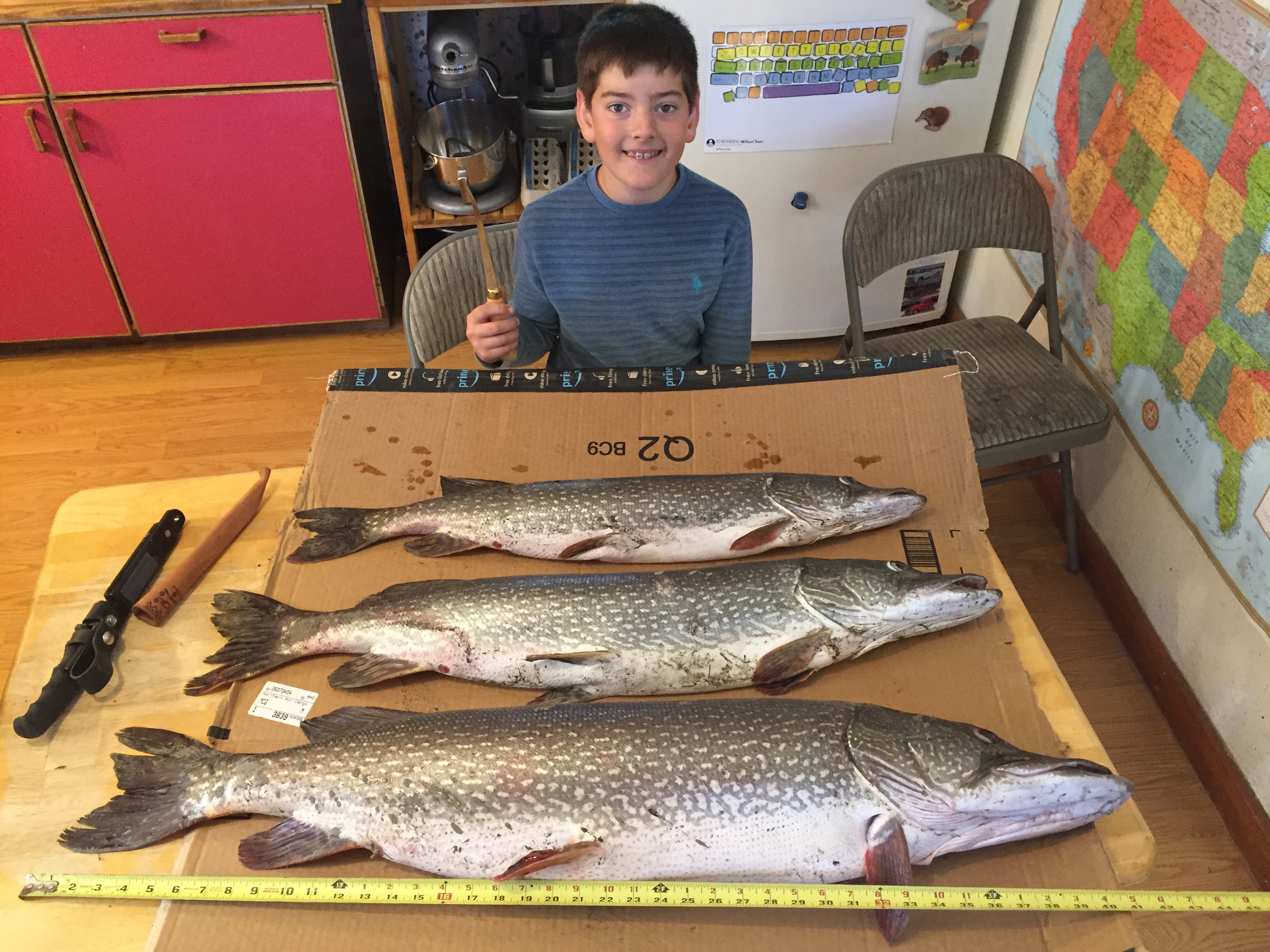

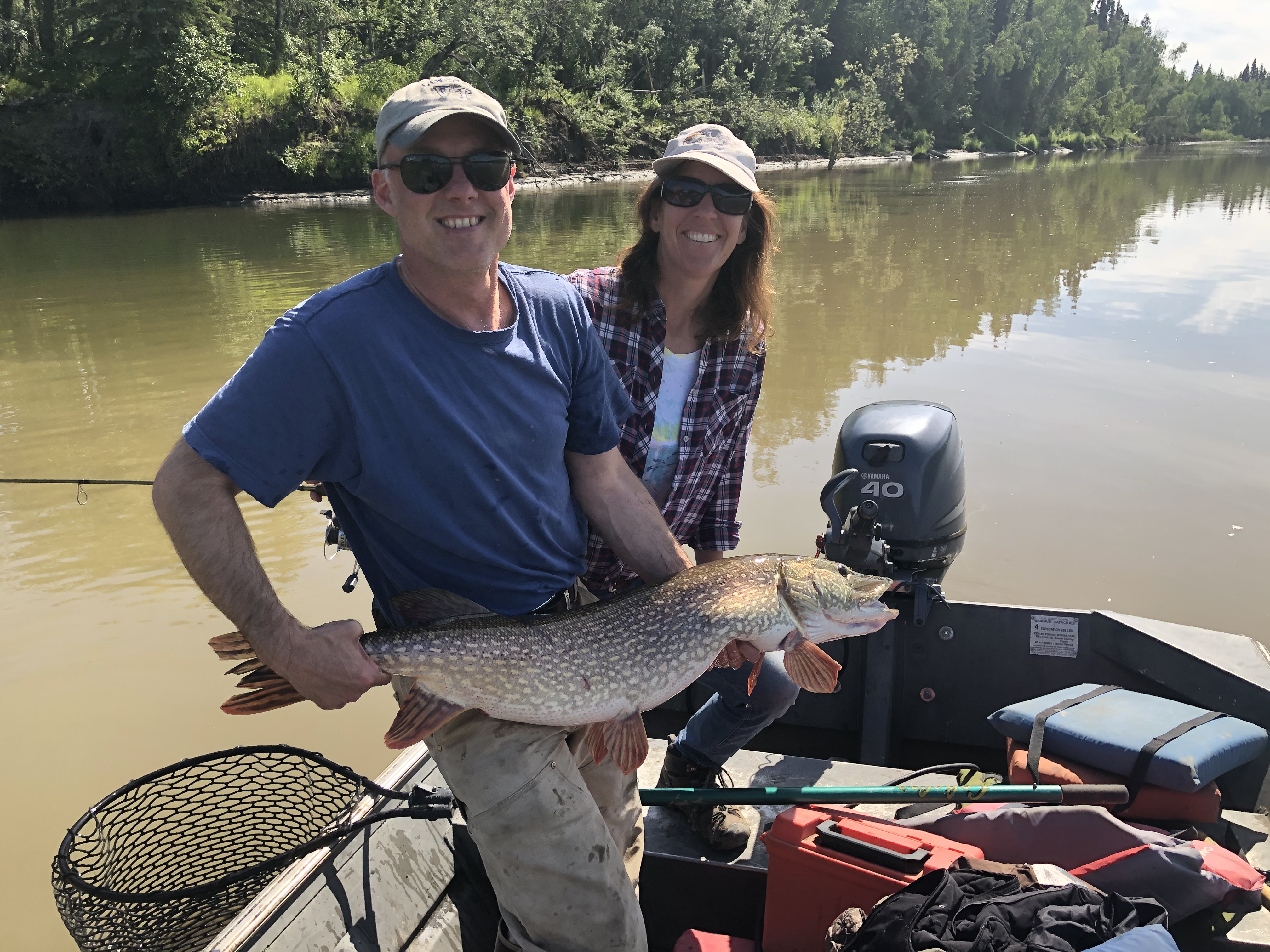
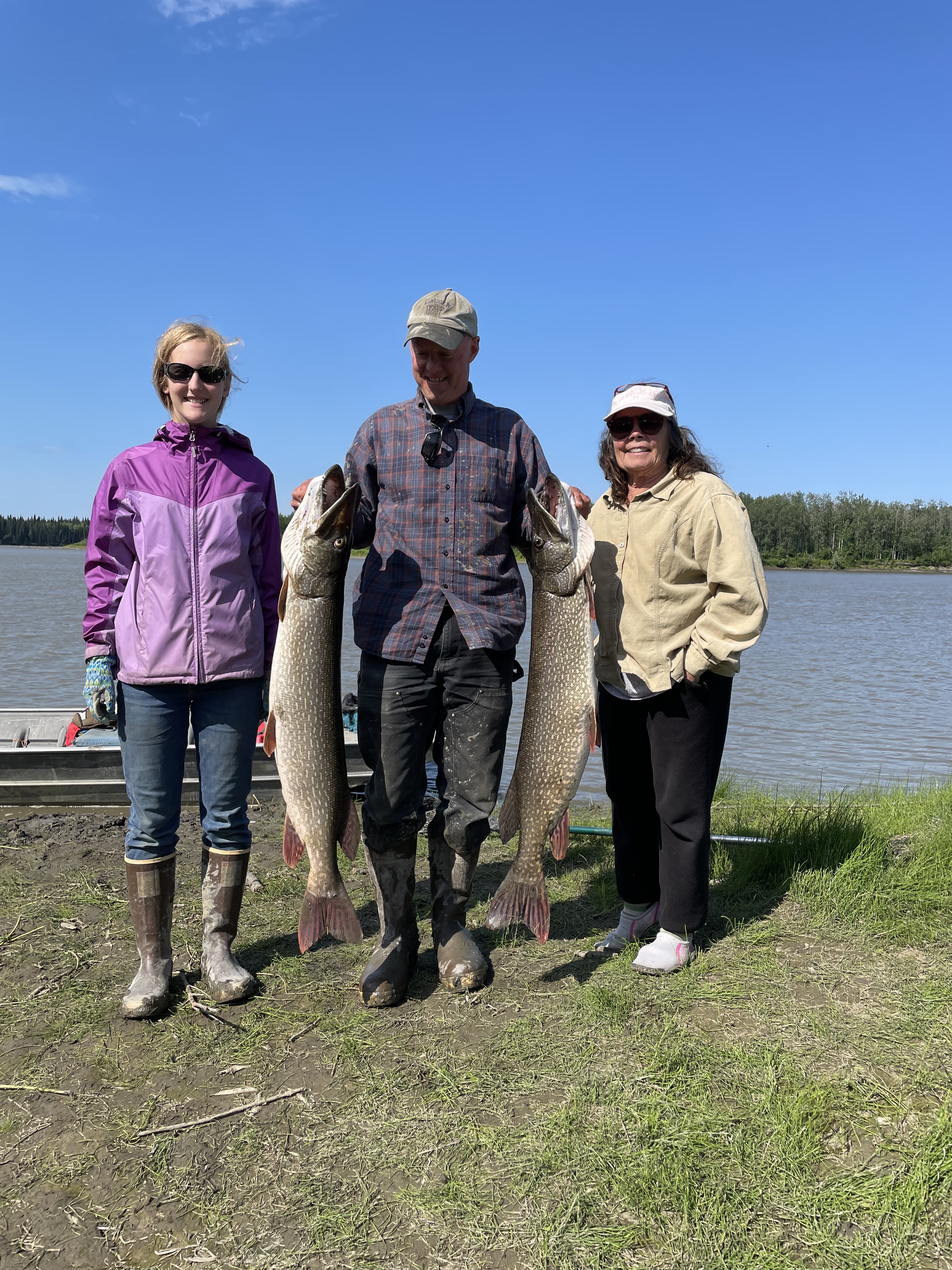
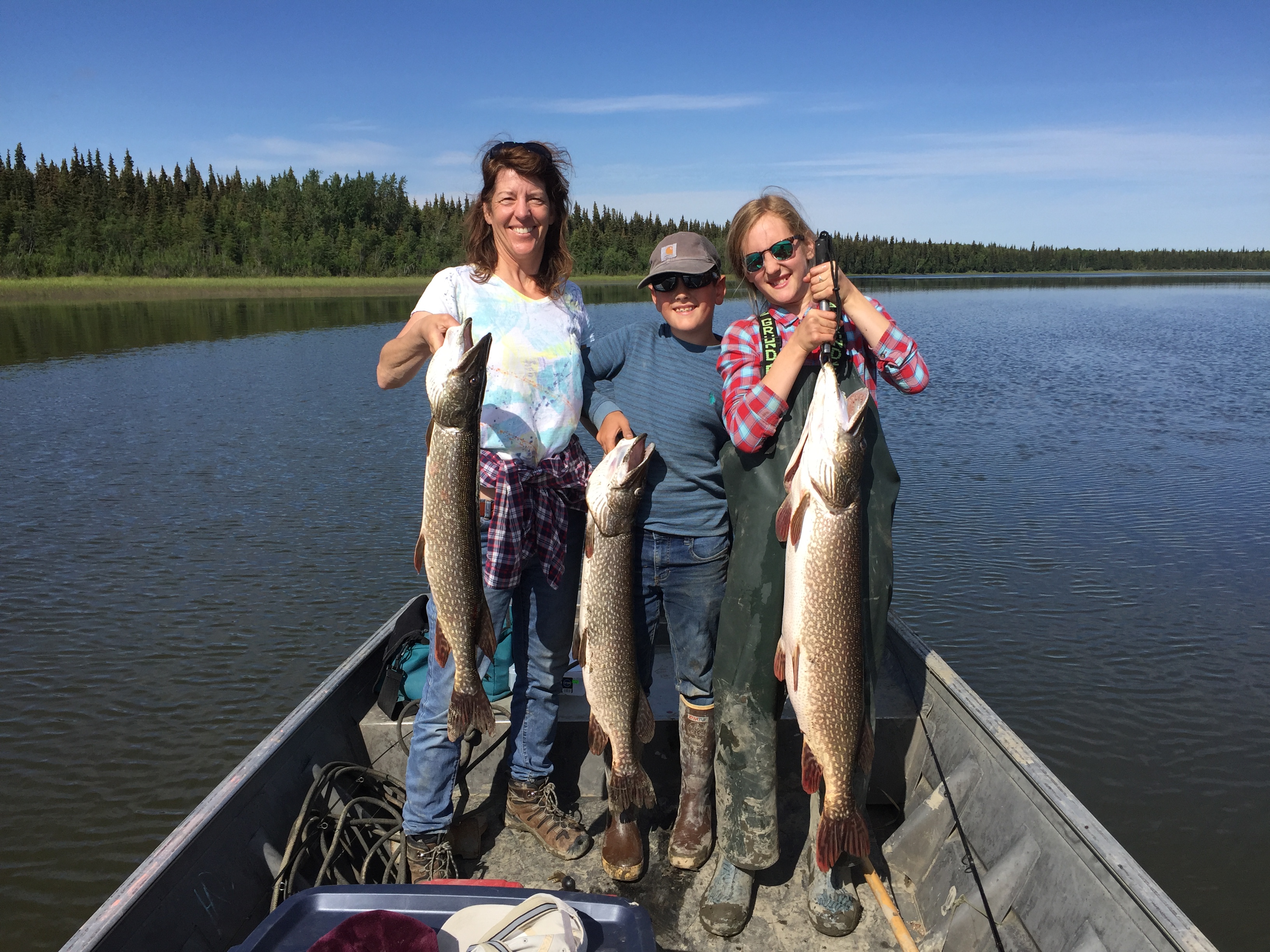

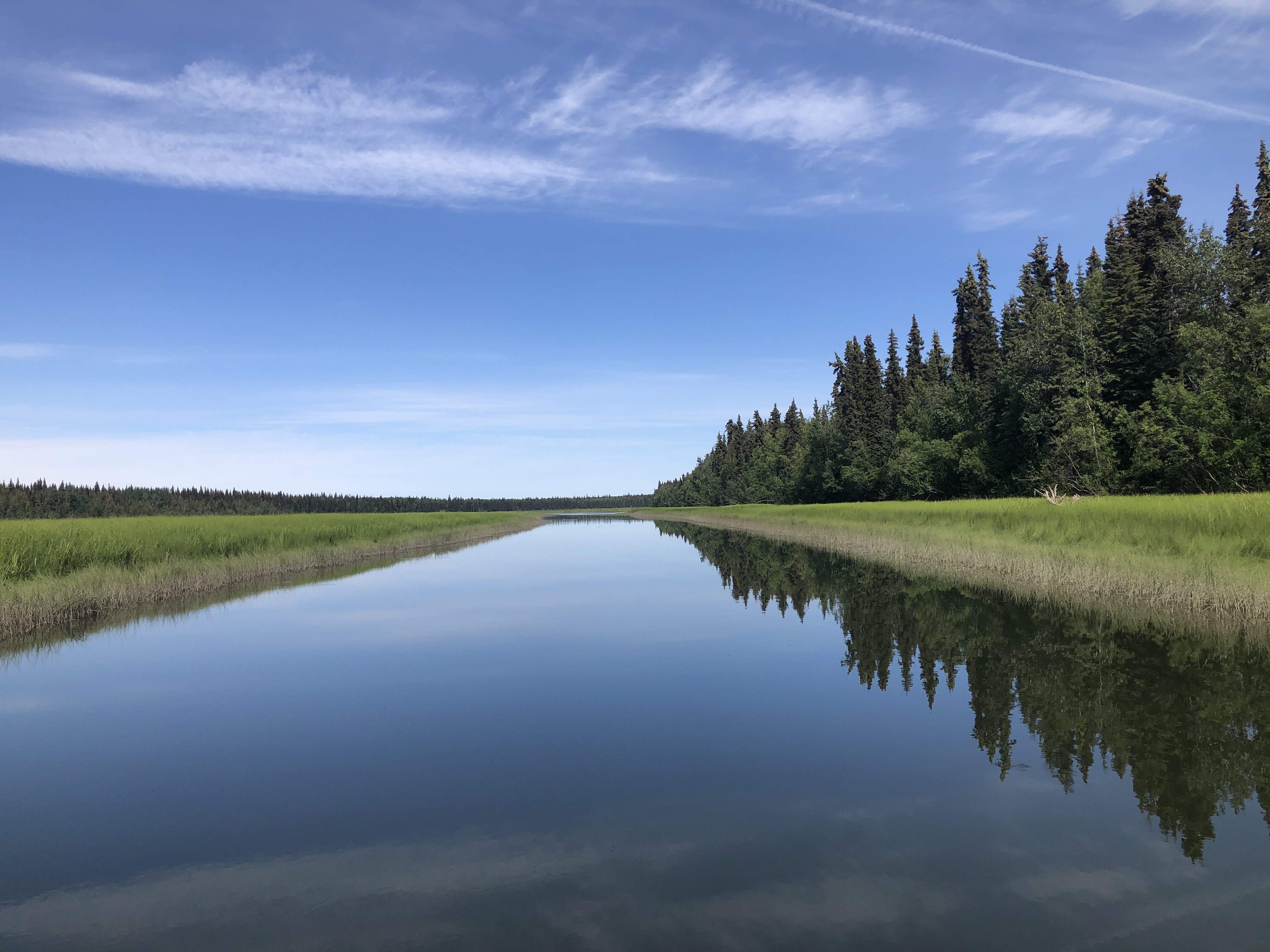
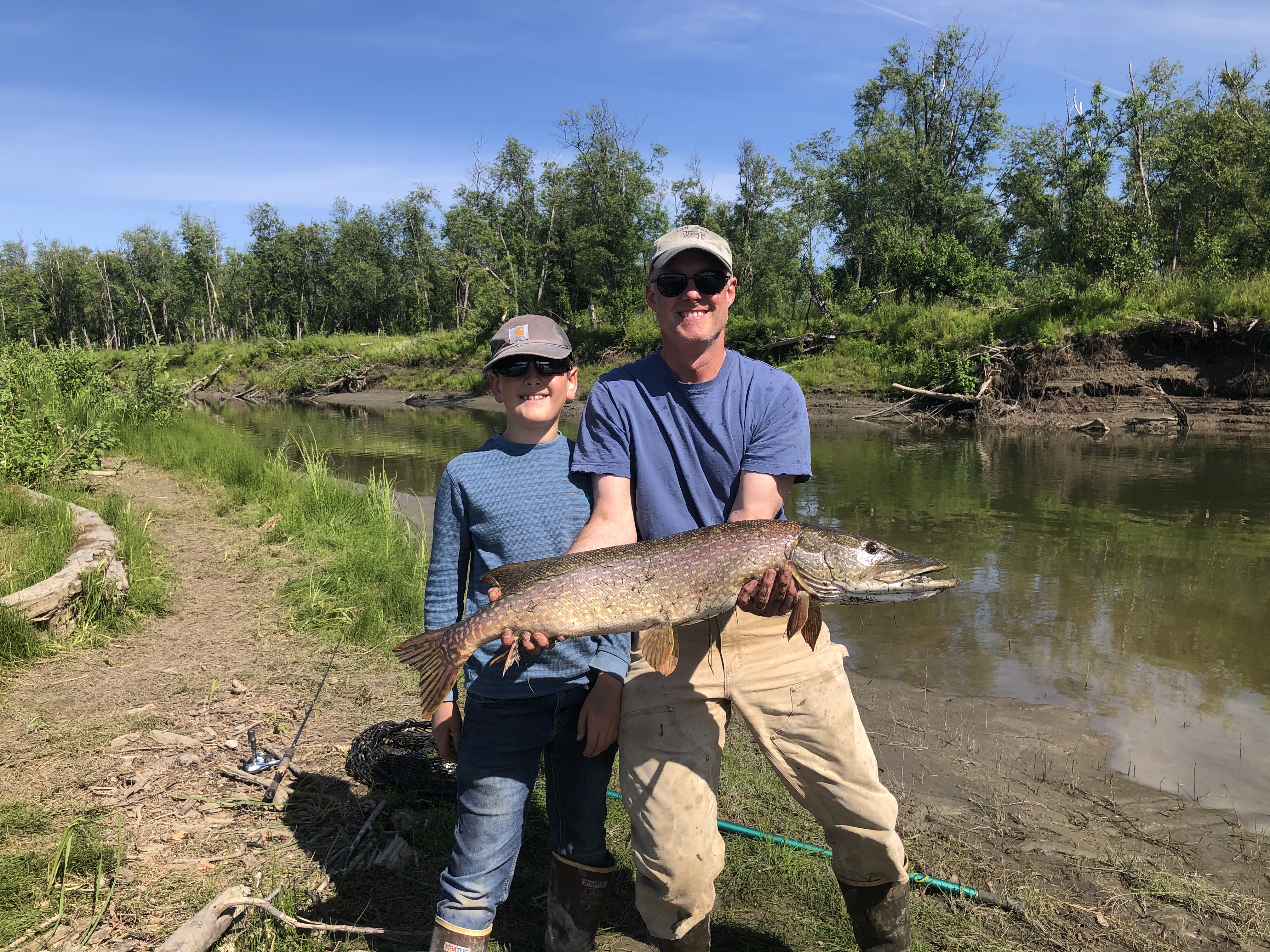
Here on the Kuskokwim, pike populations are thriving. They get very little fishing pressure. We catch and release some and keep enough for dinner. Fun to catch and great to eat.
My favorite way to eat pike is Josh’s famous panko pike- pike fillet chunks dipped in an egg batter combined with fluffy panko crumbs and fried up in vegetable oil. Of course it must be served with a side of homemade tarter sauce. Not the healthiest, but certainly delicious.
Homemade tartar sauce recipe:
- 1 cup oil
- 1 fresh egg
- 3 Tb apple cider vinegar
- 1 Tb grey poupon mustard
- 1 tsp salt
- Mix half the oil and everything else in a food processor. Emulsify the rest of the oil into mix by using the drizzle feature of the food processor lid. When thick and creamy- you’ve got mayo!
- Mix in a small jar of relish with mayo and enjoy your homemade tartar sauce.
 Alaska Wilderness Mom